The short answer
Glass-skin bridal is a luminous, poreless finish that gives the bride a naturally lit-from-within glow rather than a matte or heavily powdered look. At Laque by Ruchi in C Scheme, Jaipur, it is one of the most requested bridal styles right now, delivered using premium imported products with packages starting from INR 18,000 (trial included). Rated 4.8 stars on Google by over 199 brides, Laque specialises in translating this trend for Indian complexions, bridal jewellery, and every lighting condition from a morning haldi to a grand Marwari phera ceremony.
What exactly is glass skin?
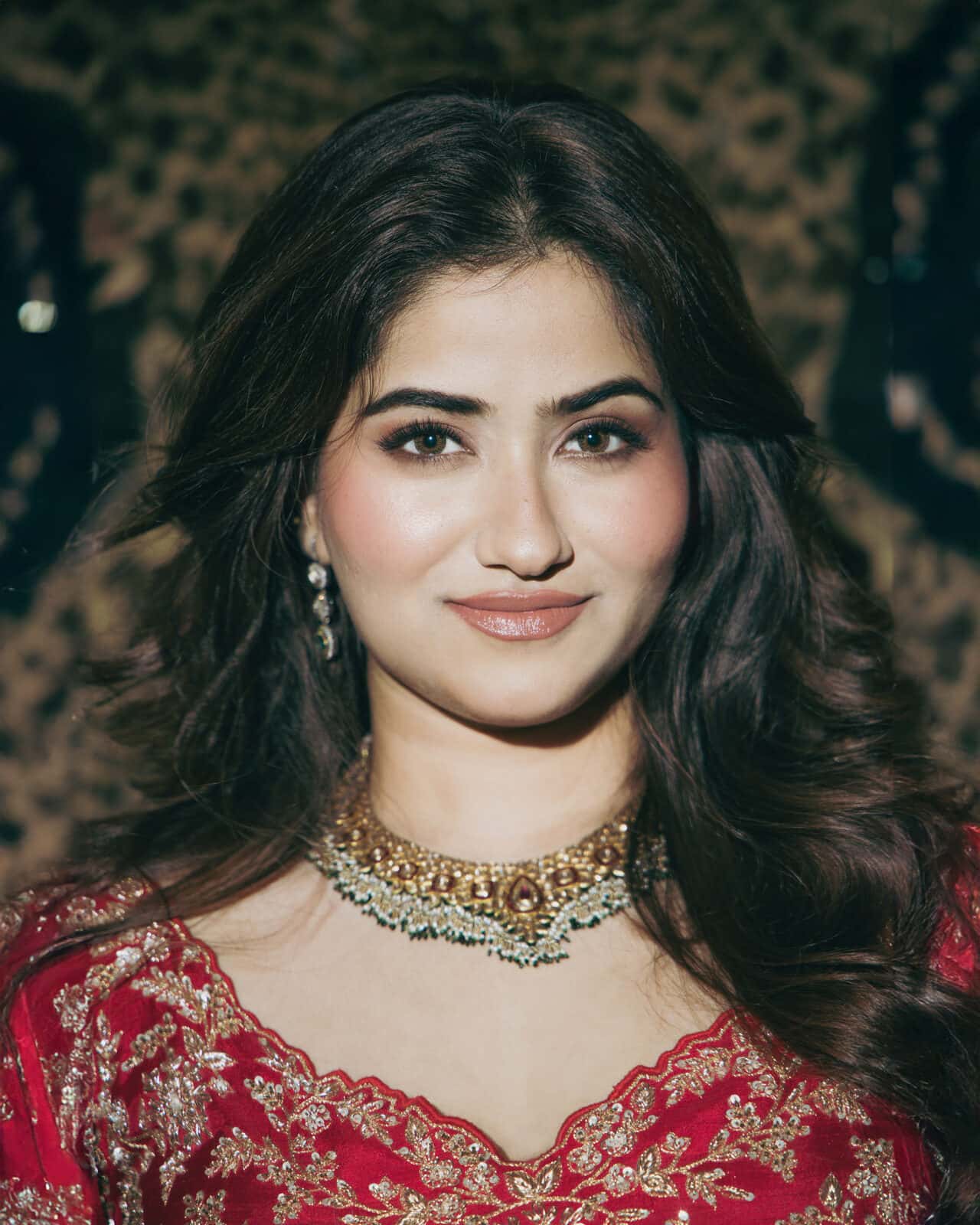
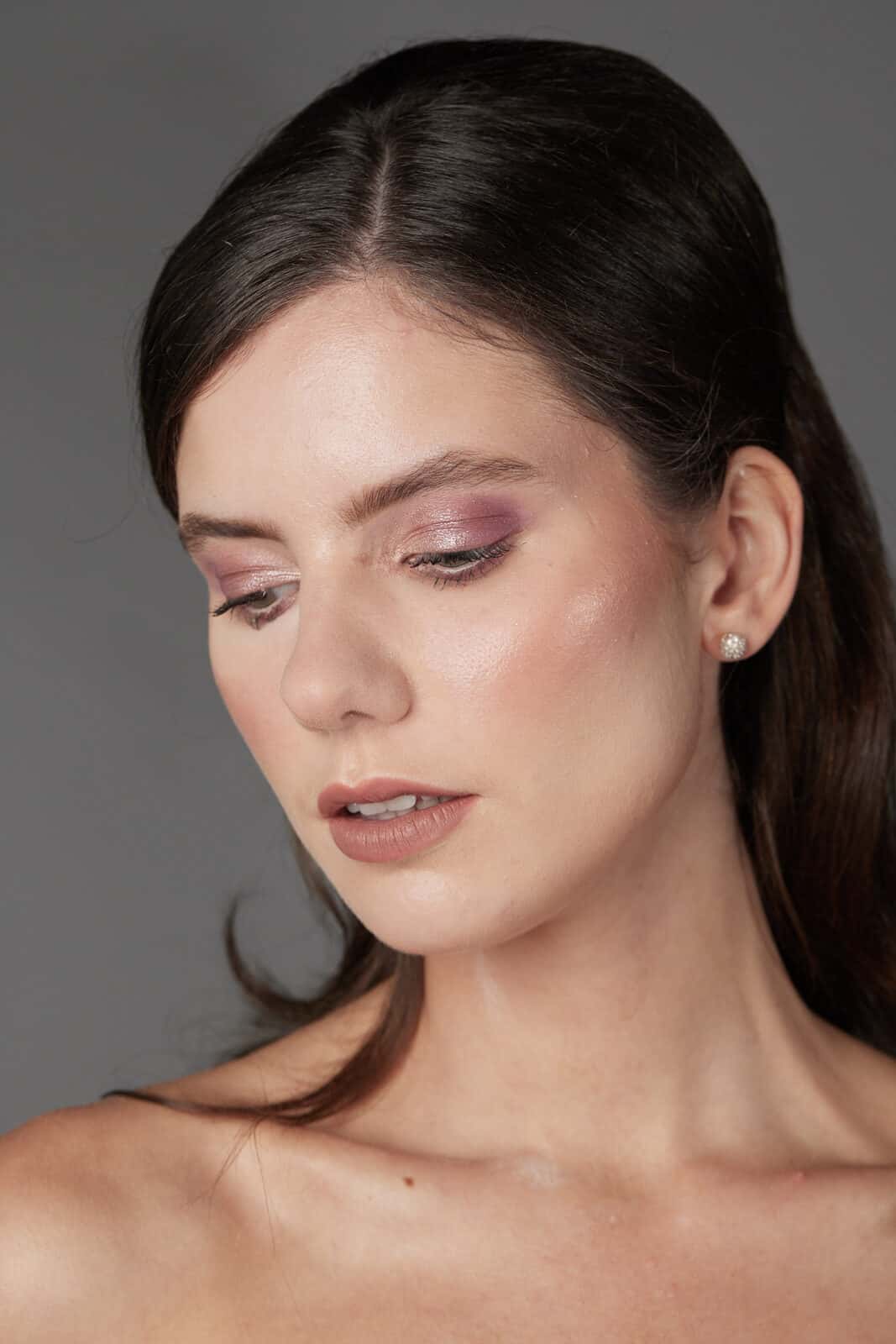
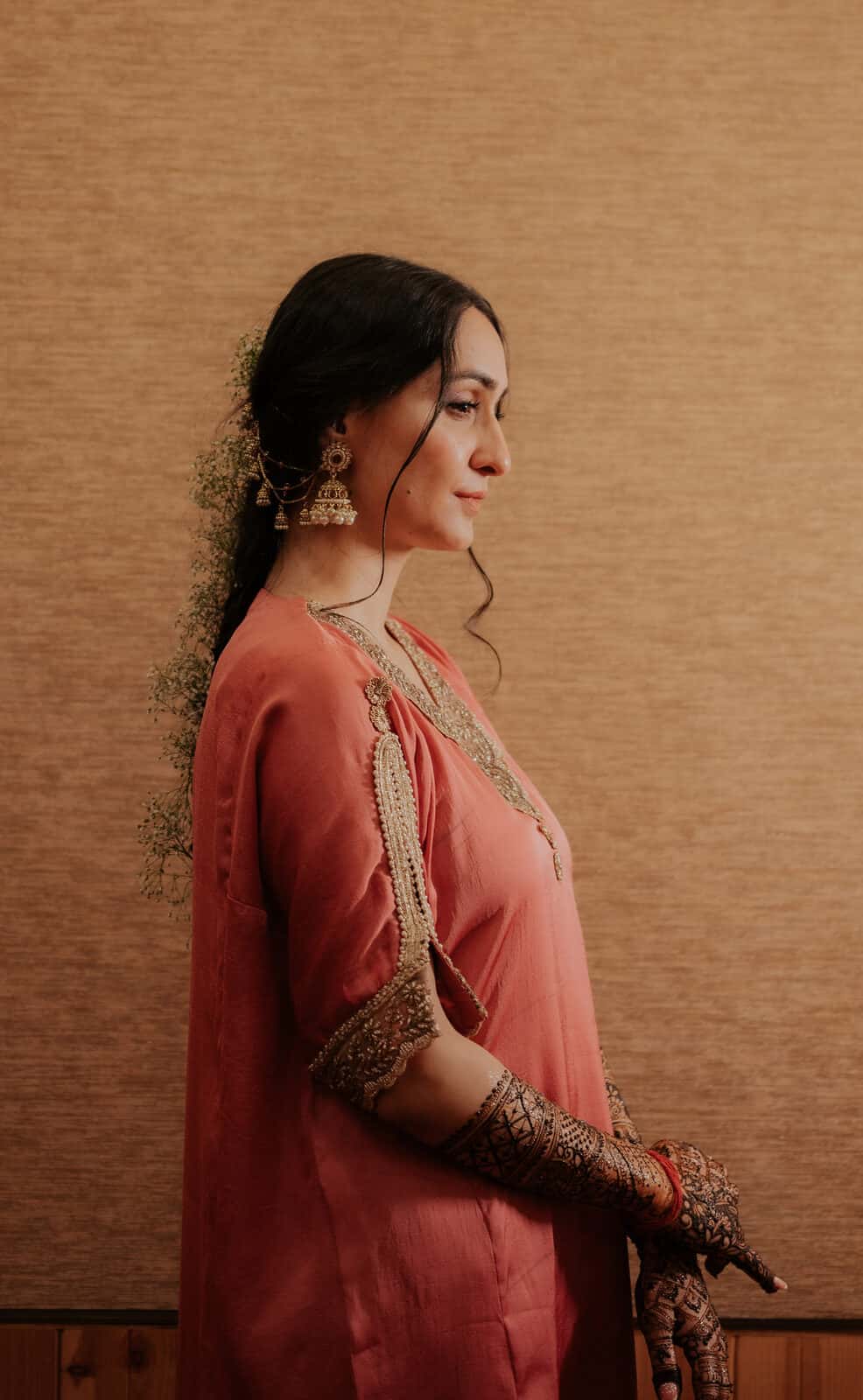
Glass skin originated in Korean beauty culture and describes skin so hydrated, even-toned, and smoothly reflected that it resembles the surface of glass. In bridal terms, it does not mean oily or wet-looking. It means a controlled luminosity where the high points catch light naturally, pores appear minimised, and the complexion looks plump and healthy rather than plastered. A dewy bridal skin finish like this relies as much on skincare preparation as on makeup technique, which is why artists who understand hydration layering deliver it consistently and those who do not often misjudge the balance.
Why it works so well for Indian brides
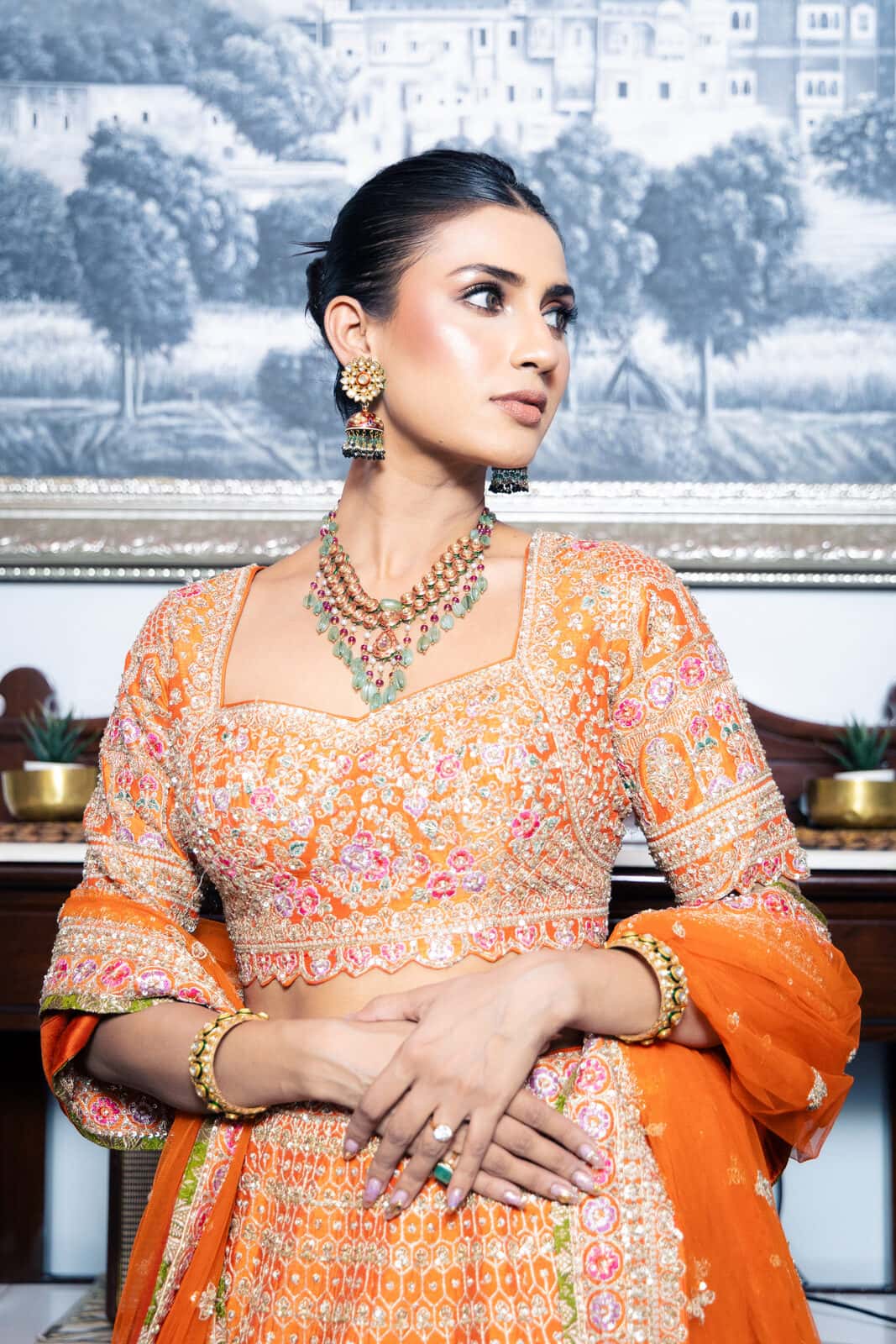
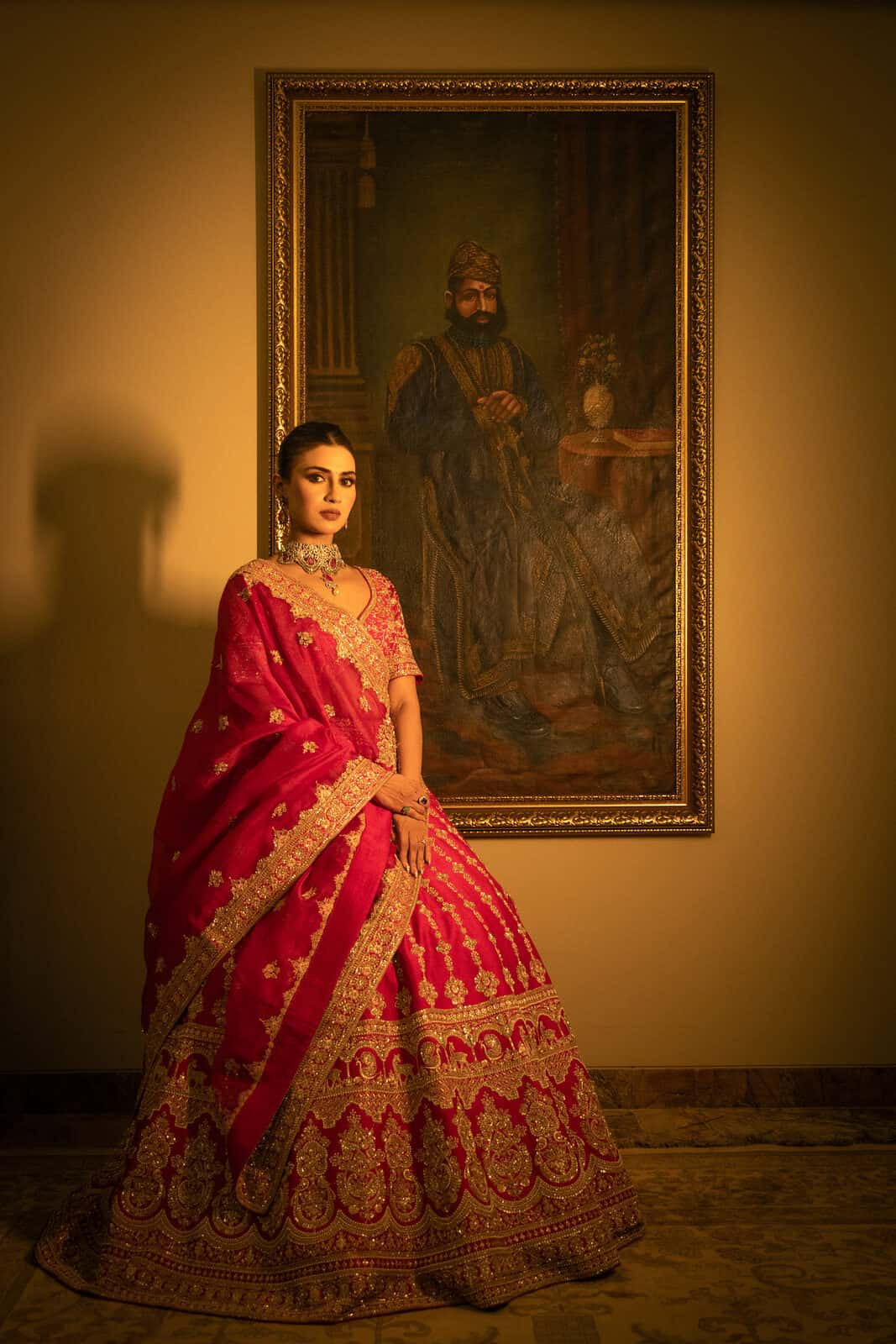
Indian bridal ensembles are rich in texture and reflective detail. A Bandhej dupatta, Gota Patti border, or heavily embroidered Rajputi poshak already brings enormous visual weight. A matte base can appear flat and almost dull in comparison, whereas a glowing bride whose skin has its own inner radiance actually complements rather than competes with that embellishment. The trend also photographs beautifully under both the harsh Rajasthan daylight common at outdoor mandaps and the warm tungsten lighting typical of wedding function halls, making it a practical choice, not just an aesthetic one.
Skincare prep is everything
No amount of product technique creates convincing glass-skin bridal results on unprepared skin. The standard advice at Laque by Ruchi is to begin a focused hydration routine at least six to eight weeks before the wedding date. This typically means a gentle double-cleanse routine, a hyaluronic acid serum, a ceramide moisturiser, and consistent SPF during the day. Facials timed roughly two weeks before the wedding help even skin tone and boost cell turnover. At the in-studio bridal trial included in every Laque package, the artist also assesses exactly where your skin sits on the hydration scale and adjusts the base formula accordingly.
The pre-wedding events: haldi, mehendi, and sangeet
Glass-skin bridal is not reserved for the wedding day alone. Brides increasingly want the same glowing, lit-from-within quality at their haldi, mehendi, and sangeet functions. The pre-wedding bundle at Laque (roka, mehendi, and haldi) starts from INR 18,000 and can be styled with lighter, more diffused luminosity suited to daytime events and pastel or floral outfits. For a sangeet, the glass-skin base pairs brilliantly with bold colour on the eyes or lips, since the skin acts as a clean, reflective canvas that keeps the whole face from looking overworked.
Choosing the right glass-skin technique for your complexion
Airbrush application, which starts from INR 22,000 at Laque, delivers a particularly fine, buildable coverage that suits the glass-skin effect because it layers without caking. HD bridal, from INR 15,000, uses finely milled products that perform beautifully under professional photography lighting. For brides with deeper South Asian complexions or more visible texture, Ruchi Verma typically blends techniques to control luminosity precisely, boosting glow on the brow bones, cheekbones, and cupid's bow while keeping the T-zone and under-eye area in check. There is no single formula because every complexion is genuinely different.
Longevity for a Jaipur wedding day
A full Marwari or Rajasthani wedding schedule can run from a pre-dawn vidai through to late evening rituals, sometimes 12 to 14 hours in total. The concern brides raise most often about dewy bridal skin is whether it will last, turn greasy, or melt in outdoor heat. The answer lies in setting products applied over the luminous base, including finely milled translucent powder at strategic points and a long-wear setting spray. Laque's every bridal booking includes a touch-up window on the wedding day specifically to refresh luminosity and correct any migration before the key ceremonies.
Book your trial at Laque by Ruchi
The most reliable way to confirm that glass-skin bridal suits your skin type and wedding aesthetic is to experience the trial first, which is standard at Laque with no additional charge. You can reach Ruchi Verma and the team on WhatsApp at +91 90019 04808 or explore looks, packages, and availability at laquestudio.in. The studio is open Monday to Sunday, 11 AM to 8 PM, at Nakshatra Status, Lajpat Marg, Panch Batti, C Scheme, Jaipur. Wedding-season dates from October to February fill quickly, so brides planning a peak-season wedding are advised to enquire several months ahead.